

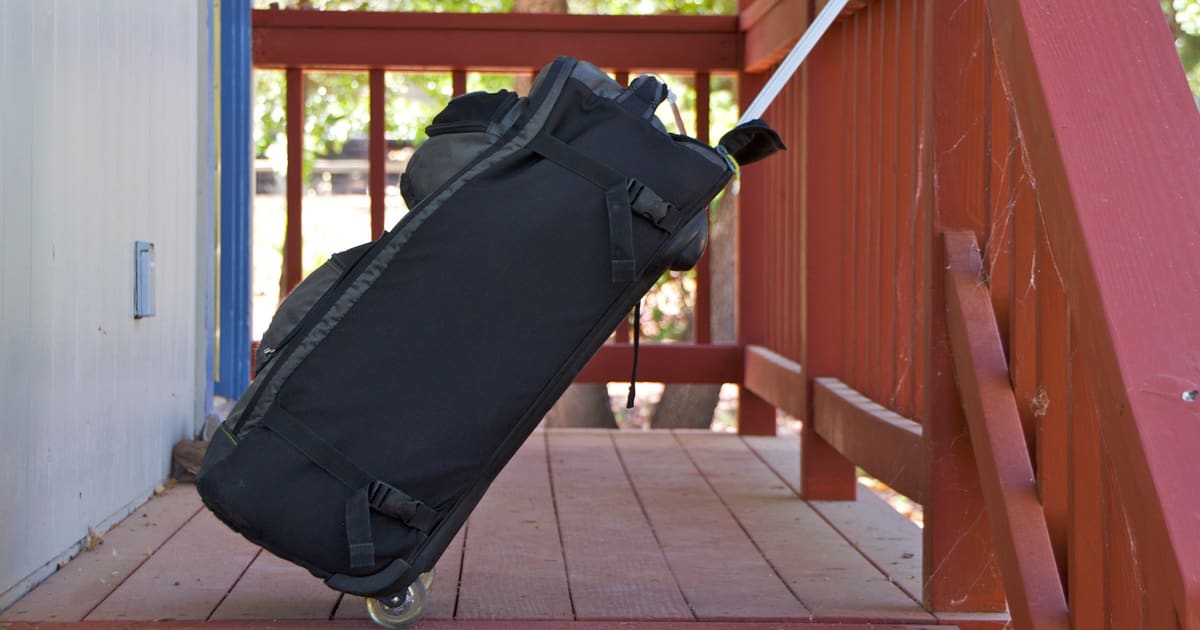
A useful packing checklist answers three questions: what must stay with you, what can go in the larger bag, and what still needs checking before you leave. Work through the groups below, then adapt quantities to your weather, activities and access to laundry.
Choose the bag after checking your booking
Check the cabin and checked-baggage allowance attached to your fare for every operating airline. Look at the number of pieces, dimensions and weight; measure the packed bag with its wheels, handles and bulging pockets. A bag sold as “cabin size” is not a promise that your airline will accept it.
For example, JAL’s international baggage page sets its own conditions and explains that a bag may need to be checked if it cannot be safely stowed. Use your carrier’s current page and booking, including any connection, rather than borrowing another airline’s allowance.
Keep the essentials with you
Put these in the cabin essentials you can retain if the larger bag is checked. The U.S. Department of Transportation’s packing advice recommends keeping critical items, valuables and a small first-day supply of essentials out of checked baggage.
- Accepted travel documents: passport or other accepted ID, any required visa or permission, boarding pass and booking details. Check validity and destination requirements early; our passport-readiness guide explains why an unexpired passport alone may not be enough.
- Permitted medication and personal essentials: medicine, glasses, necessary medical supplies and the information you would need to replace them. Resolve screening and import requirements before the trip.
- Money, keys and valuables: payment cards, home keys and irreplaceable belongings you would need even if a suitcase were delayed.
- A small arrival kit: a change of underwear or clothing and the personal-care items you would want for the first night, within the applicable screening limits.
For medicine, CDC’s travel guidance recommends cabin baggage, original labelled containers and prescription copies. Check both destination and transit-country permissions; a prescription or familiar brand name does not establish permission everywhere. Ask your prescribing provider about supply and storage needs.
Keep recovery copies of important documents separately from the originals. The State Department’s checklist for U.S. travellers is one official example of that preparation. Copies can help with recovery; they do not replace required travel documents.
Build the rest around the actual trip
- Clothing: count the days between realistic laundry opportunities. Choose combinations you can repeat, add layers for the forecast, and pack activity-specific items you will actually use.
- Shoes: choose for the walking, weather and occasions in your itinerary. Check that they are comfortable before departure; remove pairs serving the same purpose.
- Toiletries: list your daily essentials and check what your accommodation provides. Review departure, transfer and return screening rules before choosing containers.
- Trip-specific items: add the child’s comfort item, work accessory, sports equipment or other item that makes this journey different. Check any special baggage or import conditions separately.
Liquid screening depends on the airport and route. As a UK example, GOV.UK’s guidance explicitly tells travellers to check departure, transit and return airports. Gels, creams and pastes can count as liquids too. Check local medical-liquid and baby-food procedures when relevant; do not assume the rules at your home airport apply throughout the journey.
Make your electronics easy to remove
Pack the phone, compatible charging cable, any destination adapter and working headphones you need. Test saved boarding-pass access, important addresses and entertainment while you still have a connection. Check the airline’s required boarding-pass format; a screenshot is not a universal substitute.
Keep power banks and spare lithium batteries in the cabin, protected from short circuits and damage. The FAA requires removing them before a bag is checked at the gate or aircraft side. Check your bank’s capacity, quantity and airline charging rules with our updated power-bank guide.
Finish with the items still in use
- Open the booking: confirm the operating airline, date, full airport name and code, terminal, flight status and the carrier’s arrival guidance. Our airport-code guide helps with cities that have several airports.
- Check the journey to the airport: review transport changes and weather, and keep your first destination address available offline.
- Do the final physical check: documents, permitted medication, phone, payment method and keys. Work through the morning-of note before closing the door.
The existing English packing checklist PDF and translated checklist collection remain available as optional companions.
Sources and review date
Checked on . Rule-dependent advice was checked against the linked official sources. Confirm baggage, screening and entry requirements for your itinerary.

